Disney Best Services · HIC #215784

Flooring Installation on Cape Cod

Disney Best Services installs flooring across Cape Cod, from tile and luxury vinyl plank through to the subfloor work underneath that decides how long any of it lasts.

Coastal humidity and houses that sit unheated for part of the year change what holds up indoors. A floor specified for a heated year-round home behaves differently in a property closed from October to May.

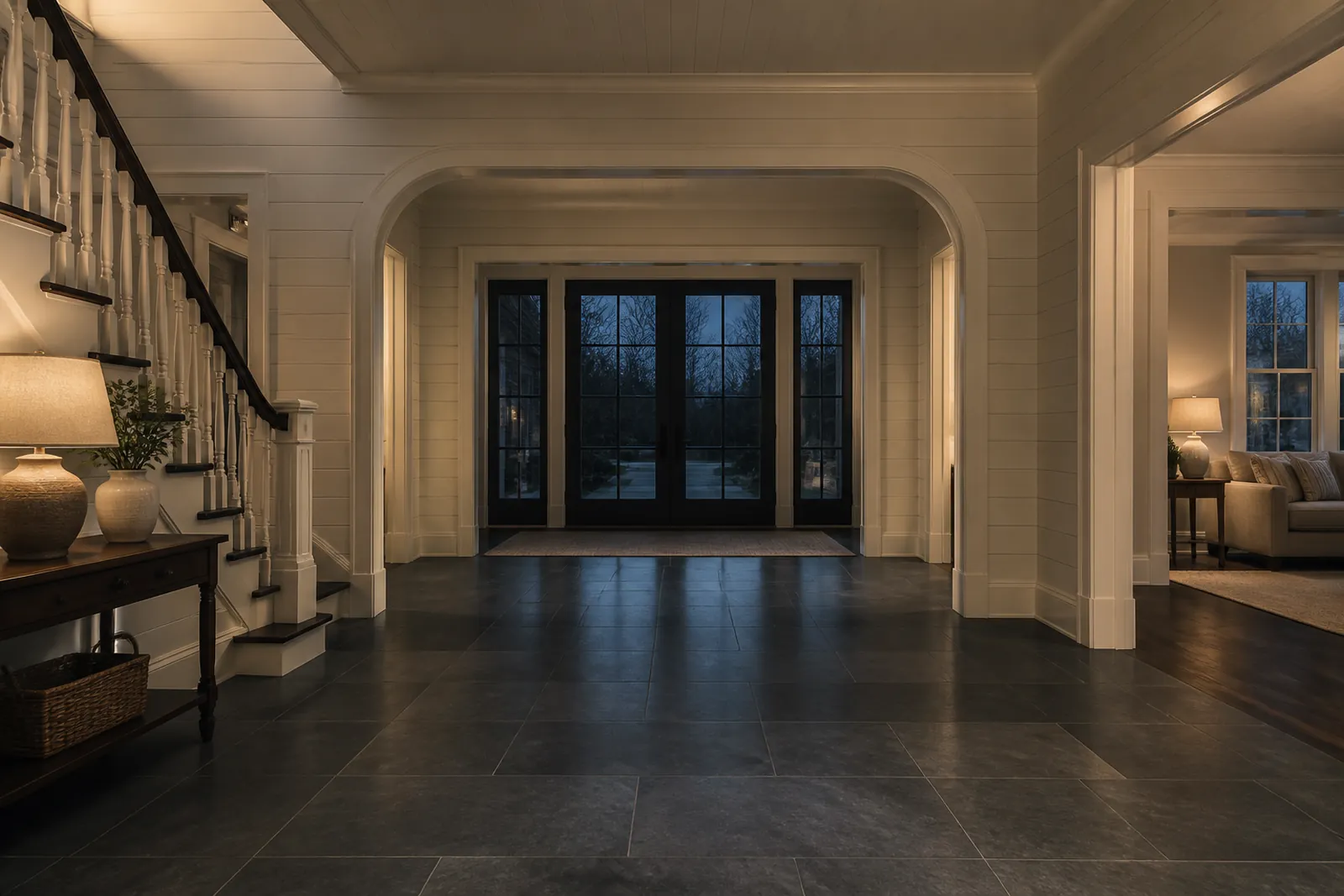
Porcelain tile floor installed in a Cape Cod entryway
License

HIC #215784

Registered Massachusetts
home improvement
contractor

Protection

$1M General Liability

Workers’ compensation
coverage

Planning

Free Estimates

On-site review before
a written quote

Warranty

One Year, Written

Workmanship coverage
provided before
work begins

Our Services

Flooring services we install across Cape Cod

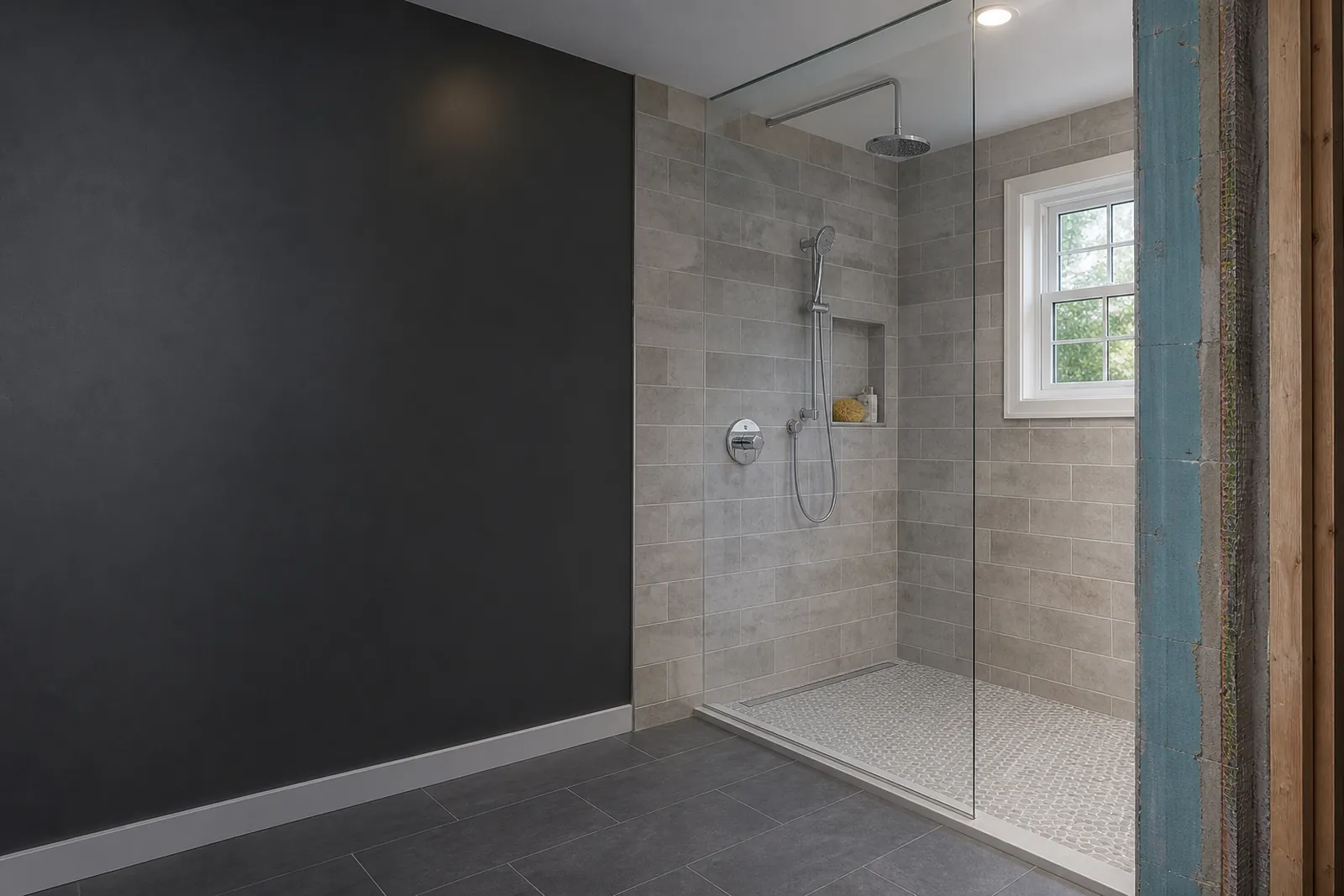
Illustrative tile floor installation in a Cape Cod home
Tile Floors

Tile Floor Installation

Porcelain and ceramic over a properly prepared substrate. The preparation is the part that matters: tile is unforgiving of a floor that flexes.

Illustrative subfloor assessment before flooring installation on Cape Cod
Subfloor

Subfloor Assessment and Repair

Older Cape houses frequently need deflection addressed before anything goes down. We check it first, because finding it afterwards means taking the new floor back up.

Illustrative whole-home flooring installation on Cape Cod
Whole Home

Whole-Home Flooring

Running one material through connected rooms removes the thresholds and makes a small Cape house read larger. It also means planning transitions and heights before the first board.

Choose by moisture

Which floor fits a house that is not heated year round?

The floor is picked by how the house behaves, not by how the sample looks in a showroom. Three facts decide it: whether the house is heated and humidity controlled all winter, whether the floor sits on a concrete slab or a wood subfloor, and whether water lands on that floor.

Product classBehavior in a wide humidity swingWhere it cannot goPick this when
Solid hardwoodMoves with every swing. Shrinks and swells across the grain all yearBelow grade, over an untested slab, or in a room that gets standing waterThe house is heated and humidity controlled through the winter and you want a floor that can be sanded several times
Engineered woodCalmer. A plywood or HDF core cross bands the movement so width change is smallerBelow grade or over a slab with no moisture test and no vapor retarderYou want real wood over a slab or over radiant heat, or the house runs unheated for part of the year
Rigid core (SPC type plank)Stable against moisture. Moves mainly with temperature, not humidityRooms with long direct sun where the perimeter expansion gap was cut short or pinned by trimA seasonal house, a basement or a three season room where nobody is watching the humidity in February
Porcelain or ceramic tileUnaffected by indoor humidityOver a subfloor that deflects or sits outside the flatness tolerance, without the correct underlaymentEntries, mudrooms and wet areas where water on the floor is normal and the floor has to stay flat

Product data sheets override every row here. The manufacturer's own limits for moisture, grade level and subfloor flatness are the limits that apply to your floor.

How much does flooring installation cost in East Harwich, MA?

Cost follows the material, the square footage, and how much the existing floor needs doing to it before anything new goes down. Subfloor repair is the variable that moves an estimate most, and it is the one you cannot see from the doorway.

We assess the floor and give a firm written quote. The visit is free and carries no obligation.

Why do wood floors gap in a Cape Cod house that sits unheated all winter?

A Cape Cod house closed up from November to April swings through a wide relative humidity range with no heat holding it steady. Solid wood flooring tracks that swing. The boards shrink across the grain in dry air and swell in damp air, so gaps open in winter and edges tighten in summer.

Wood holds moisture in equilibrium with the air around it, and that figure is called equilibrium moisture content. The NWFA publishes a service range near 30 to 50 percent relative humidity for solid wood floors, at normal living temperatures. A house shut down cold runs above and below that band inside the same year. Cupping, where board edges sit higher than the center of the board, happens when the underside takes on more moisture than the face. Crowning is the reverse, and it often appears after a cupped floor is sanded flat before the floor has finished drying.

For a seasonal house the floor gets chosen around how the house will actually be run, not around how the house looks in July. A house held at a steady temperature with humidity control can carry solid hardwood. A house closed cold with no dehumidifier is a different problem, and the product class changes before the order is placed.
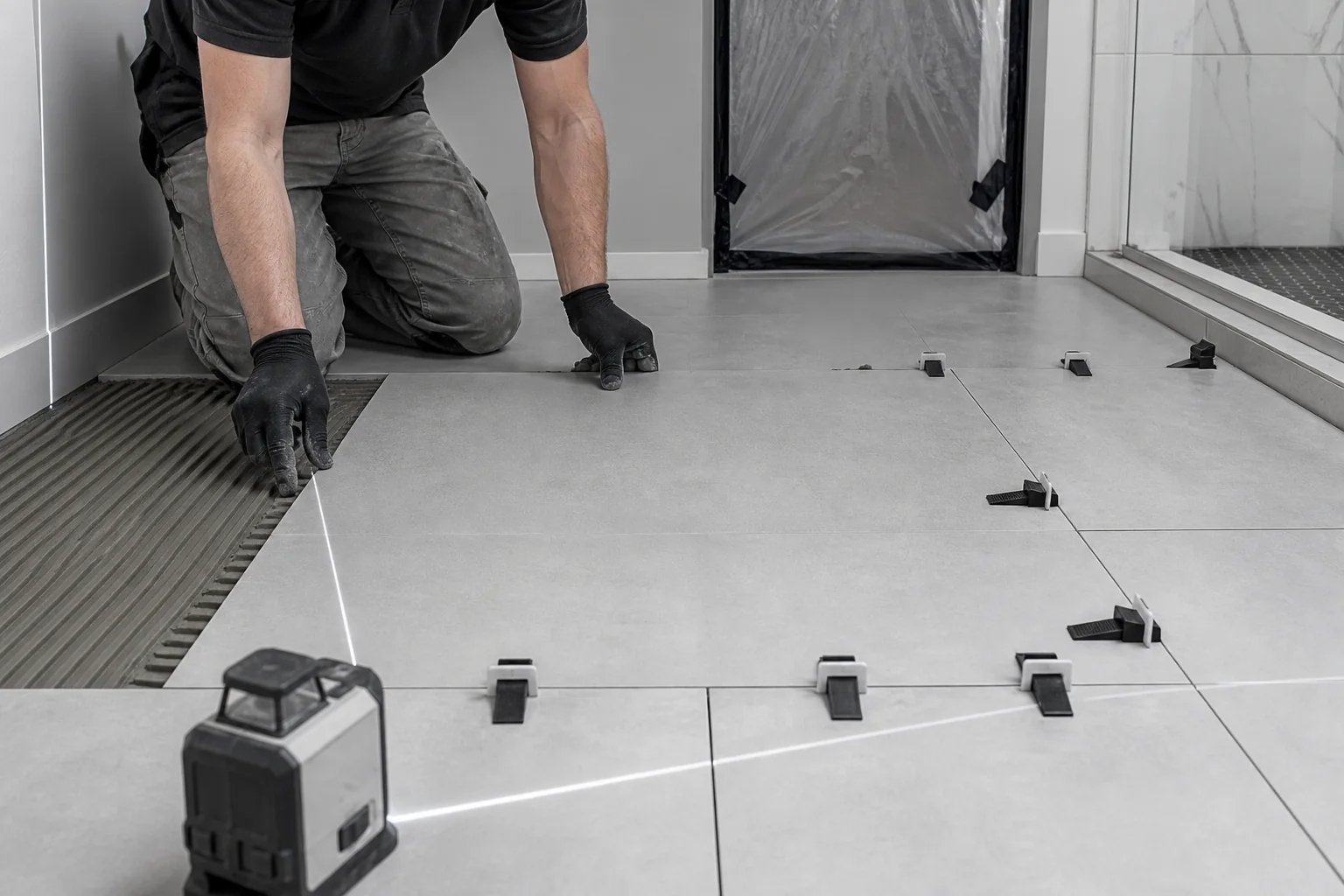
Floor tile being set in a Cape Cod home

Do you need a permit for flooring installation in Harwich, MA?

Replacing a floor covering on its own does not usually require a permit. It becomes relevant when structural work is involved, such as repairing or re-framing a subfloor, or when the job is part of a larger renovation that is already permitted.

We confirm it before work begins rather than after an inspector raises it.

Meter before material

Why is a moisture reading taken before the flooring is delivered?

The moisture reading belongs before the order is placed and again before material comes off the truck. The reading decides which product can go in that room. Installing outside the number the manufacturer sets does not usually fail that week. It fails in the second or third season, and refinishing does not repair it.

Three readings, not one

A single number does not describe a floor assembly. The subfloor gets a reading. The flooring gets a reading. The room gets a relative humidity and temperature reading. A plywood subfloor is read with a pin or pinless wood moisture meter. A concrete slab is read with ASTM F2170 in-situ probes, because a surface check does not report what is moving up through the slab.

Ask for the three numbers in writing, with the date. Rankine Disney is on every active job site every working day, so there is someone on site to ask. For wood over wood the NWFA gives a moisture differential between flooring and subfloor measured in a point or two, held tighter for wide plank than for narrow strip. Confirm the figure that applies to your product against its data sheet before the material is ordered.

What happens when the number comes back wrong

A reading outside range should stop the delivery instead of starting the installation. Three options follow: dry the subfloor and retest, change the assembly with a vapor retarder or a different underlayment, or change the product class to one the reading allows. All three cost less than a floor that cups in year two.

Installing outside that number voids the outcome. A flooring manufacturer writes its warranty around its own moisture limits, and a floor installed past them has no claim to make. Waiting a week for a subfloor to dry is a scheduling problem. A floor laid over a wet subfloor is a demolition problem, and the finished boards come up with it.

Rankine Disney, owner of Disney Best Services, on a Cape Cod job site

How floors fail

What goes wrong with a floor after the installation is finished?

Flooring failures come from moisture and movement, almost never from the wear surface. A floor that fails usually failed at a stage before the first board went down: a subfloor nobody read, an expansion gap cut short, or a house that was never going to hold the humidity the product needs.

Cupping across a whole room

Why it happensCupping happens when the underside of each board holds more moisture than the face. The bottom swells more than the top, so the edges rise and the center dips. The source is usually a damp crawl space, a slab giving off vapor, or flooring installed before the subfloor had dried.

What prevents itPrevented at the measurement stage, before material is delivered. A moisture meter reading on the subfloor and on the flooring, plus a vapor retarder specified where the reading calls for one.

Gaps that do not close in summer

Why it happensSolid wood installed at a high moisture content shrinks permanently as the boards dry down to their real equilibrium moisture content. Seasonal gaps close when the air gets humid again. Gaps from installing wet stay open, because the boards were wider on installation day than they will ever be again.

What prevents itPrevented at acclimation, by holding the house near its year round service conditions and reading the flooring down to the moisture differential the NWFA gives against the subfloor before anything is fastened.

Adhesive release and hollow spots over a slab

Why it happensMoisture moving up through a concrete slab breaks down flooring adhesive. Planks loosen, edges lift, and the floor sounds hollow underfoot. A slab can feel bone dry on the surface and still be driving vapor, so touching the surface proves nothing about the slab.

What prevents itPrevented at testing, with ASTM F2170 in-situ relative humidity probes drilled into the slab or an ASTM F1869 calcium chloride test, read against the adhesive and flooring manufacturer's stated limits.

Peaking and buckling at the walls

Why it happensA floating floor grows and shrinks as one sheet. Rigid core plank moves mainly with temperature. When the perimeter expansion gap is too small, or baseboard, door casing or a heavy fixed cabinet pins the field, the planks have nowhere to go and lift at the seams.

What prevents itPrevented at layout, by setting the expansion gap the product data sheet calls for and keeping the field free of fasteners and fixed loads that trap the floor in place.

The 1-year written workmanship warranty from Disney Best Services covers installation work. It excludes cracked tile, materials and manufacturer defects, and damage from floors or the house shifting and settling. That exclusion matters for wood. A floor that gapped because the house sat below 30 percent relative humidity all winter moved because of the house. A floor that cupped because the subfloor was wet on delivery day moved because nobody took a reading. Only the second one is workmanship, and that one belongs to the installer.

Frequently Asked Questions

Moisture, movement and material questions about floors

How long does flooring have to sit in the house before it gets installed?

Acclimation is the period flooring sits inside the house, in the conditions the floor will live in, before installation. Manufacturers set that period, and it runs from none at all for some rigid core up to several days for solid hardwood. Read the product data sheet, because the number is the manufacturer's.

Can I put hardwood down over my concrete slab?

A concrete slab gets tested before any floor goes over it. ASTM F2170 measures relative humidity with probes drilled into the slab. ASTM F1869 measures moisture vapor emission with a calcium chloride test. The pass number belongs to the flooring and adhesive manufacturer, so results are read against that specific data sheet.

My floor gapped over the winter. Will the gaps close back up?

Seasonal gaps in solid hardwood usually close as indoor humidity rises through the summer. Gaps still open in a humid August are not seasonal. The check is a moisture meter reading on the boards plus a relative humidity reading in the room, taken in both seasons, before anything is filled or replaced.

What happens with the old vinyl tile in my 1960s house?

Resilient floor tile and the black mastic under it can contain asbestos in houses built before 1980. Suspect material gets sampled and tested by a lab rather than scraped up to find out. Material confirmed as asbestos goes to a licensed abatement contractor before new flooring is scheduled.

Is engineered wood actually real wood?

Engineered wood is real wood. A sawn or sliced hardwood wear layer is bonded over a plywood or HDF core. Wear layer thickness sets how many times the floor can be sanded, and tiers run from a thin veneer that cannot be refinished up to several millimeters. The data sheet states the thickness.

Do I need to run a dehumidifier while the house is closed up?

Solid wood floors are rated for a service range, and NWFA guidance puts it near 30 to 50 percent relative humidity at normal living temperatures. A house closed down cold for the winter drifts outside that band. A humidistat controlled dehumidifier, or heat left on low, keeps the floor near the conditions it was installed at.

My subfloor squeaks and dips in places. Does that get dealt with first?

Subfloor flatness and squeaks get corrected before flooring is delivered, not after. Flatness tolerances are manufacturer specific and commonly land near 3/16 inch over 10 feet for glue down and floating installations, so check the product data sheet. Loose panels get screwed to the joists while the floor is still open.

Disney Best Services · East Harwich

Where we install flooring on Cape Cod

If you are still working out the scope, that is the right moment to get in touch. We look at the space, assess what is there, and set out what the flooring project involves before you commit to anything.

Disney Best Services is a Registered Massachusetts Home Improvement Contractor, HIC #215784, with $1 million in general liability cover and a one-year written workmanship warranty.

Get a Free Estimate